Washing Shower Curtain Liner
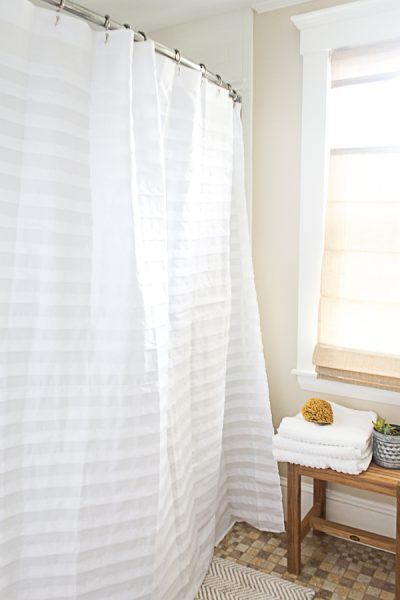
Is your shower curtain liner looking dull, moldy, or just plain grimy? You’re not alone.
Showers liners can accumulate soap scum, mildew and bacteria over time, making your bathroom less fresh – and you may not think it’s worth the effort to clean them. But the truth is, cleaning your shower curtain liner is easy and quick.
By following a few simple tips and using common household products, you can get your liner back to looking and smelling fresh in no time. Read on to find out how to clean your shower curtain liner, stop mold from growing, and keep your bathroom fresh and clean all the time. How to Wash a Shower Curtain Liner You can wash your shower curtain liner in many ways, but the easiest method is using the washing machine.
The Importance of Clean Shower Liners
Cleaning your shower liner is more important than you might think. A foul-smelling liner can lead to health problems and unpleasant odors. Regular cleaning prevents mold and mildew growth, protecting your family’s health. It also keeps your bathroom fresh and clean. Knowing the importance of clean shower liners keeps your home healthier.
The Dangers Of Mold And Mildew
Shower liners are a perfect breeding ground for mold and mildew. Fungi produce spores that irritate your lungs. Inhaling the spores can trigger allergies and respiratory disease. Asthma sufferers and those with compromised immune systems are more at risk. A clean shower liner prevents mold and mildew. It keeps your family healthy and safe daily.
Maintaining Bathroom Freshness
Your shower liner makes your bathroom smell good. Soiled liners hold onto soap scum, dirt and water. These cause unpleasant smells and dirtiness. Cleaning your liner gets rid of smell-causing buildup and bacteria. It makes the bathroom environment better. It also makes it nicer to have guests over.
Choosing The Right Shower Liner
A shower liner can transform your bathroom. It prevents water from splashing outside the shower and damaging the bathroom floor. It can also prevent the growth of mold and mildew. Understanding materials and maintenance requirements can assist in choosing the right liner.
Materials: Plastic Vs Fabric
Plastic liners are common as they are cheap and waterproof. They are made from vinyl or PEVA, which is water resistant. Fabric liners, usually polyester, are prettier and softer. They allow air to pass through, so they dry faster. Plastic liners can crack and tear. Fabric liners often require a waterproof lining to retain water.
Durability And Maintenance
Plastic liners can be washed with soap and water. They are mould resistant but can become sticky and yellow. You can machine wash fabric liners. They can be dried to prolong their life. Both liners need to be replaced annually or if damaged. Cleaning prevents mildew and keeps your bathroom clean.
Machine Washing Steps
Machine washing is an easy way to clean your shower curtain liner. It’s quick and clears away dirt, soap scum and mildew. Here’s how to do it safely and easily.
Removing And Preparing The Liner
Start by taking the shower curtain liner off the rod. Take off any hooks or rings. Inspect for any holes or rips and repair them. Shake out any dirt or dust. This prevents damage to your machine and liner.
Using Towels For Scrubbing
Add one or two bath towels to the liner in your washing machine. Towels are abrasive and balance the load. The towels scrub the liner clean, eliminating dirt. This enhances cleaning without scrubbing.
Selecting Detergent And Cycle
Use your usual laundry detergent. Don’t use bleach, as it can damage liners. Use a gentle or delicate cycle and warm or cold water. Hot water can distort plastic and vinyl liners. This prevents fabric damage and liner damage.
Drying Tips
Hang the liner back on the rod to dry. Don’t put it in the dryer as it can cause shrinking. Spread it out evenly to prevent wrinkles and mildew. This will keep it fresh for reuse.
Hand Cleaning Alternatives
Spot cleaning provides some easy ways to clean your shower curtain liner. This is a good option if you don’t want to wash it in the machine or if you need to refresh it quickly. Simple scrubbing and ingredients found at home can help to get rid of mold, mildew and soap scum.
These options are quick and less abrasive. They are easy to do with items you likely have at home. Here are two common alternatives to hand wash that will keep your liner clean.
Spray With Vinegar And Water
Combine equal parts white vinegar and water in a spray bottle. Apply it to your shower curtain liner. Leave it to soak for 10-15 minutes. Vinegar removes soap scum and mildew. Rinse the liner with a damp sponge or cloth. It’s a gentle and safe cleaning method. Do this every week for cleanliness.
Scrubbing And Rinsing Techniques
Gently scrub the liner with a soft brush or sponge. Focus on areas with stains or mildew spots. Use a paste of baking soda or mild detergent for added cleaning. Use warm water to rinse out the soap. Let the liner dry before reusing it. Scrubbing gets rid of dirt without chemicals. It helps your liner last longer.
Preventing Mold And Mildew
Shower curtain liners are a breeding ground for mold and mildew. They love warm, wet conditions. You need to stop these fungi to keep your bathroom and your health safe. Easy steps prevent mold growth. Fresh liners are healthier.
Regular Cleaning Schedule
Wash your shower liner every two weeks. Use warm water and mild detergent. This cleans off soap scum and dirt. This stops mold from growing. Keep your liner fresh and clean.
Using Vinegar Sprays Between Washes
Spray the liner with white vinegar after showering. Vinegar will eliminate mold and mildew. It doesn’t have to be rinsed. Vinegar is safe to use. Do this every day.
Proper Ventilation
Make sure your bathroom is ventilated. Keep windows and vents open during and after showering. Good airflow dries the liner faster. Dry liners prevent mold. Don’t leave the liner wrinkled.
Troubleshooting Common Issues
This guide to common problems when washing shower curtain liners keeps your liners fresh and looking good for longer. People encounter stains, odors and cleaning-related damage. Knowing these issues helps with cleaning and avoiding future issues.
Stubborn Stains And Odors
Stains and odors may be caused by mold, mildew and soap scum. Combine baking soda and vinegar to treat stains. Apply to the liner for 10-15 minutes. To eliminate odors, include white vinegar in the wash.
Brushing the liner with a soft brush before washing can improve staining. Be cautious with chemicals that can harm the liner. Frequent cleaning will help avoid stains and odors.
Avoiding Damage During Washing
Plastic and vinyl liners can be damaged during washing. Use a delicate cycle with cold to warm water. This can cause the liner to shrink or melt.
Take out any metal hooks. Use a few towels to cushion the liner. Do not dry in the dryer; hang to dry for best results.
When To Replace Your Shower Liner
It’s important to know when to replace your shower liner for a clean bathroom. An old liner can cause mold, mildew and water leaks. This helps avoid these issues and maintain a clean shower. Timely replacement saves time and maintains a clean appearance.
Signs Of Wear And Tear
Check for holes and tears in the liner. These allow water to leak out and damage the pool. Bleach-resistant stains show mold or mildew growth. If the liner has a bad smell that doesn’t go away, it must be replaced. If the liner feels sticky or slimy, it is time to change it. Blotchy spots indicate degradation.
Choosing A New Liner
Choose a liner to suit your shower. Vinyl or PEVA are more durable. Fabric liners are prettier but require a waterproof liner. Look for mildew-resistant options for easy cleaning. Choose a design to suit your décor. Look for liners with a weighted bottom.
Frequently Asked Questions
Do You Wash Shower Curtain Liners In The Washing Machine?
It’s generally safe to machine wash shower liners. Use cool or warm water, gentle cycle, towels and detergent. Air dry, don’t use dryer.
How Do I Wash A Plastic Shower Curtain Liner?
Take down the liner and rings, put in washing machine with towels and detergent. Use gentle cycle with warm water. Air dry, don’t use a dryer. Spray with vinegar and water solution between uses to avoid mold and mildew.
How often should I clean a plastic shower liner?
Clean a plastic shower liner once or twice a month to avoid mold and mildew. Use a gentle cycle with warm water and detergent. Air dry, not in the dryer. Use vinegar spray in between washes for added freshness.
Can You Dry Shower Liner In The Dryer?
Do not put shower liners in the dryer. Heat can warp or damage plastic and vinyl materials. Liners must be air dried.
Conclusion
There are easy ways to clean shower curtain liners. Frequent washing stops mildew forming. Wash on gentle settings and air dry. Towels can be used to scrub in the wash. Spray the liner with vinegar between washes.
Fresh liners keep your bathroom cleaner and nicer-looking. These simple tips will help you keep your shower curtain liner clean. This makes your shower safer and more comfortable.