How to Clean Tea Kettle
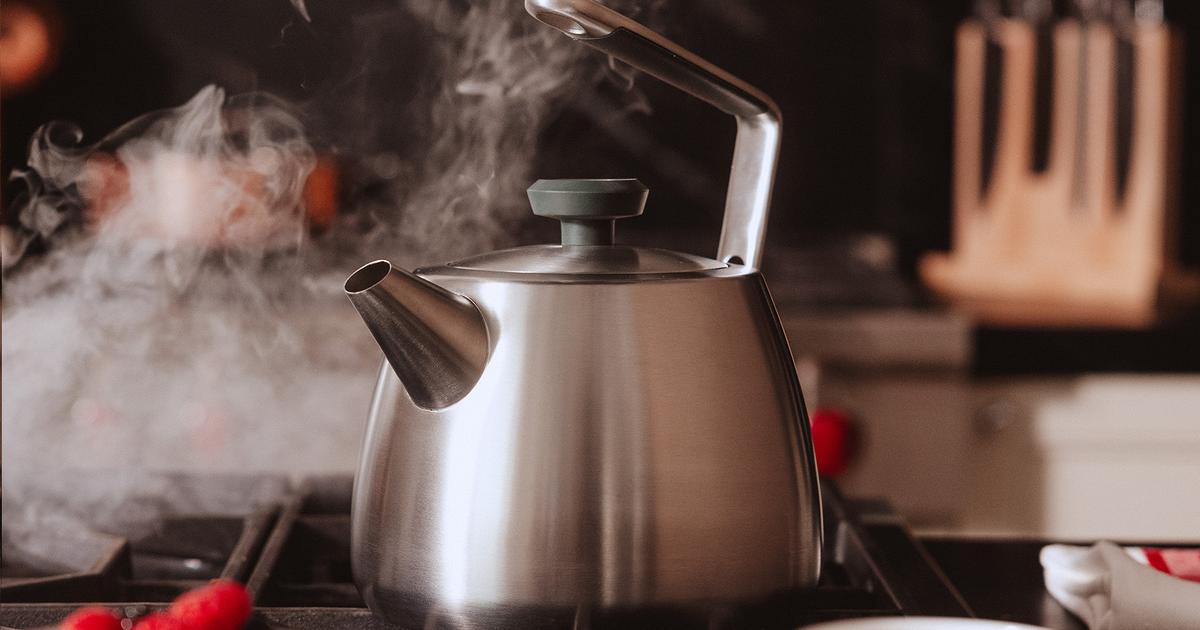
Is your tea kettle boring or do you find something wrong with your cup? Kettles accumulate deposits of stubborn minerals over time and these influence the flavor and performance.
Fret not though, you can easily put your kettle back to shining clean through simple and cheap ways. Here in this guide you will find effective and fast methods of cleaning your tea kettle either an electric or a stovetop kettle. Continue to read so that you can know how to avoid the accumulation, eliminate rust, and have a flavorful tea always.
Your perfect cup starts with a clean kettle!
Cleaning Basics
Cleaning tea kettle is important to maintain the kettle in good condition and use. The kettle accumulates dirt and deposits both on the inside and out. These are capable of tainting what you will be drinking and reducing kettle lifespan. Simple cleaning also eliminates these issues within no time. It also maintains the kettle as new and shiny. It is the insight into the reason and the things that should be cleaned that will keep your kettle in prime condition.
Why Clean Your Kettle
Washing your kettle averts the maleficent accumulations. Water deposits as minerals may cause the kettle to be clogged and slow the heating process. Granted leftover stains and dirt may alter the flavor of water. These deposits are removed by regular cleaning to ensure that water is pure. It prevents the formation of bad smells as well. The cost of cleaning your kettle can save you a great deal of money as well as repairing and replacement. An uncontaminated kettle boils quicker and consumes less energy.
Common Deposits And Stains
The minerals in water form white or chalky layers in the inside of kettle. This is called limescale. It is developed by boiling water repeatedly. The dark spots or stains can be as a result of rust or tea remnants. The kettle may sometimes develop a layer of dirt or oil that is not thick. These deposits minimize the performance of the kettle and are not pleasing to the eye. This knowledge will assist you in selecting an appropriate cleaning process because you know these common stains.
Simple Cleaning Methods
With basic items found in the house, it is easy to keep your tea kettle clean. These techniques eliminate lime-scale, stains and deposits in a short time. They take natural items that you would most probably have at home. Both approaches are compatible with the majority of kettles, and they do not need many efforts. To get your kettle shiny and in operation once again, follow the following steps.
Using Vinegar
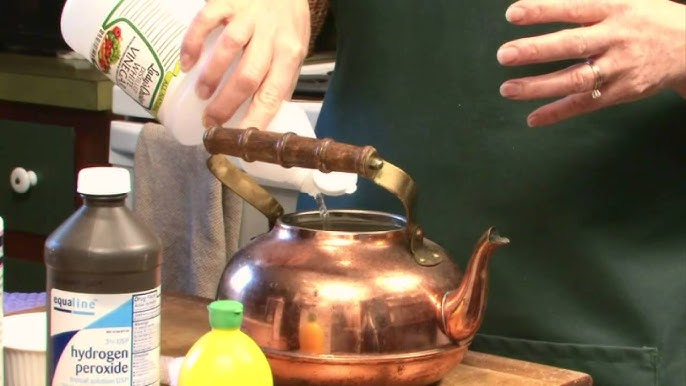
Add half a cup of water and half a cup of white vinegar to the kettle. Bring the mixture to boiling and switch off kettle. Allow the time to pass up to 15- 20 minutes to loosen the limescale. Empty the solution and run under a lot of fresh water in the kettle. Clean the interior with a damp cloth to clean up the left-over residue.
Lemon Juice And Citric Acid
Combine the Lemon juice or citric acid powder (2 tablespoons) with one cup of water. Dump the solution into the kettle and boil it. Allow the mixture to absorb the mineral deposits within a 30 minutes time frame. Pour out the kettle and clean it in abundance with water. This type of boiling gives a new odor and illuminates the inside of the kettle.
Baking Soda Solution
Put one cup of warm water with one tablespoon of baking soda in it. Add the solution to the kettle and allow it to absorb in the kettle in 15 minutes. Clean the inside with a soft sponge. Wash the kettle with wet water several times until all traces of the baking soda are gone. This method removes the residues and eliminates the smell.
Deep Descaling Techniques
Deep Descaling Methods: This is done by deep descaling which gets into the interior of your tea kettle. These deposits accumulate with time and influence the taste and the performance of kettles. Strong but safe techniques make sure that your kettle will remain clean and have a longer life. We are going to examine some of the best methods of descale.
Bar Keepers Friend Stainless Steel.
Bar Keepers Friend is a cleaning powder that is a favorite in terms of hard stains. It is effective on stainless steel kettles to eliminate the formation of minerals. Spray the inside lightly using a damp cloth and scrub. You should not use too much or you will scratch it. Clean the kettle with a lot of water. Repeat in case of the stubborn stains.
Commercial Descalers
Descalers designated to be used commercially are designed to dissolve limescale. They are available in powder or liquid form and most kettles are safe with them. Instructions on the products should be adhered to. Typically, add the solution in the kettle and leave it to rest between 15 and 30 minutes. Soak and boil solution where possible then empty and rinse thoroughly. These descalers are time and effort saving on hard scale.
Soaking And Scrubbing Tips
The presence of the kettle can be loosened by soaking the kettle. A natural soak should be done with warm water and white vinegar or lemon juice. Allow the kettle to cook one or two hours. When wet it can be scrubbed off with a soft brush or sponge. Use no metal scrubbers to take care of the surface of the kettle. Wash with plenty of water to clean up all the residues so that you have a clean fresh kettle.
Cleaning Electric Kettles
Washing electric kettles will ensure they last long and feel fresh. Mineral deposits accumulate within, and cause water to boil more slowly and have an influence on flavor. Regular cleaning removes these deposits and helps prolong the lifespan of the kettle.
Electric kettles should be well cleaned to prevent any form of harm. These are just some easy tips to maintain the security of your kettle and ensure that it is clean.
Avoiding Water Damage
Do not drown the kettle into water. The water in the bottom may be destructive. Always clean off the kettle with it off. The outside should be wiped down with damp cloth. Do not allow the electrical parts to be exposed to water.
Safe Interior Cleaning
Add water and white vinegar in the kettle in equal quantities. Bring the mixture to the boil and leave it there within 20 minutes. Empty the solution and pour in a lot of water. A soft brush is used to take off stubborn deposits. Repetition may be necessary but not extreme chemicals.
Service of Electrical Components.
Keep the base dry and clean. Wipe it with a dry cloth. Regularly check the power cord to ensure that it has not been damaged. Do not use abrasive cleaners in areas close to electric elements. Good care avoids malfunctions and prolongs the life of your kettle.
Preventing Build-up
Washing your tea kettle after use will ensure that it continues to perform and that it also has a good flavor. Water deposits may block the kettle and may produce an unwanted flavor of your tea. Uncomplicated practices prevent the formation of such deposits and make them easier to clean. These are some of the tips that will help you maintain your kettle longer.
Regular Cleaning Schedule
Wash your kettle at least once in a week. Removal of any early deposits should be done with mild vinegar or lemon juice. Rinse well to avoid any taste. This is because a routine prevents build-up which can be difficult to get rid of. It preserves your kettle and makes it clean.
Using Filtered Water
Filtered or distilled water should be used instead of tap water. This minimizes minerals which lead to accumulation. Impure water works against your kettle and it makes tea impure. It reduces the frequency of deep cleaning also. This little modification is time and energy-saving.
Emptying After Use
Never leave boiled water in the kettle. When you keep water inside, it hardens the minerals. Emptying the kettle also prevents rust and bad smells. Wipe the kettle using a cloth. This is the easiest trick to make your kettle clean and prepare it to be used next time.
Credit: www.youtube.com
Removing Odors
It is crucial to eliminate the smell of your tea kettle to get a fresh and good flavor of tea. The smell can be out of the remains of water, minerals or cleaning chemicals. These odours cause the taste of your tea to be unpleasant and make the kettle less pleasant to utilise.
Eliminating Vinegar Smell
Vinegar is a good cleanser and it has a strong smell. In order to eliminate this smell, run the kettle under a lot of fresh water. Put boiled water in the kettle and dispose. Repeat again the boiling and rinsing steps until no more odor of vinegar. Use a soft cloth to wipe the inside in order to remove any residual scent. The technique removes vinegar smell without using severe chemicals.
Freshening With Citrus
Lemon and orange are citrus fruits which naturally clean kettles. Half a lemon, squeeze the juice into the kettle. Add water and boil in five minutes. The steam of citrus eliminates smells and introduces a light airy smell. Boil and pour out the water then rinse the kettle. Citrus is a safe method of refreshing your kettle smell.
Air Drying Techniques
Adequate drying eliminates moisture that leads to body smell and mould. Never close the kettle after washing, to dry. Put it on a clean towel through the inverted side to drain water completely. Do not close the lid when the kettle is still wet. This is a very basic procedure that prevents the formation of bad smells and keeps kettle in condition to use.
Maintaining Sparkle
It is more pleasant to keep your tea kettle gleaming and clean to enjoy tea time. There is also a longer lasting and better working sparkling kettle. Frequent maintenance prevents stains, rusts and poverty. Use simple instructions and make your kettle shiny and clean on a daily basis.
Polishing Exterior
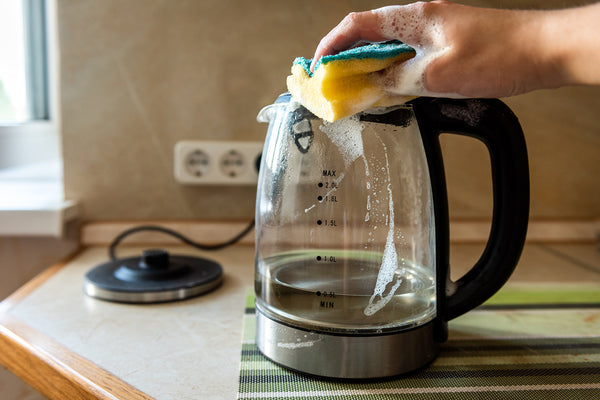
Wipe the outside of the kettle using soft cloth. Mild dish soap and warm water wash off dirty and greasy surfaces. For stainless steel kettles, people suggest a paste of baking soda and water. Rub with fingers to restore the shine. Rinse under a lot of water and wipe using a clean towel. Use scrubbers which are not very rough and scratches the surface.
Avoiding Rust
Rust will spoil your kettle. Do not leave water inside after use. Empty the kettle and dry it completely and then store. Wipe the inside and outside with a dry cloth. Rust will begin to form, and you can stop it by lightly scrubbing with a mixture of lemon juice and salt. Wash closely and dry off immediately to prevent rusting.
Storage Tips
Keep your kettle in a dry place not wet. Leave the lid half open to allow air to pass through. Do not stack the kettle with heavy items. Always observe the presence of drops of water in and wipe them off. We store the kettle properly to keep it fresh and ready to use.

Credit: allurelakestorey.com
Credit: aurabio.com
Frequently Asked Questions
How many times should I wash my tea kettle?
You should clean the tea kettle every 1 to 2 weeks. Regular cleaning helps avoid deposits of limescale and ensures a good performance of your kettle. Regular maintenance guarantees a longer lifespan for the kettle and improves the taste of the tea.
Which Is the best Natural Cleaner of Kettles?
The best natural cleaners are vinegar and lemon juice. Vinegar or lemon juice dissolves mineral deposits and eliminates smells without using harsh chemicals. Just pour in water, boil, and then run under a lot of water to have a glittering clean kettle.
How Do I Remove Stubborn Limescale From My Kettle?
Put the kettle with an equal amount of water and white vinegar in it and boil. Allow to allow 15-30 minutes then scrub needingly. Run under a lot of water to get rid of vinegar smell and limescale.
Can Baking Soda Clean My Tea Kettle Safely?
Baking soda is a good and safe cleaning agent yes. Prepare a paste using water, put it on stains, rub it lightly and rinse it off. Baking soda gets rid of odors, removes hard stains without ruining kettle.
Conclusion
It is a good idea to keep your tea kettle clean so that it serves you better and will be able to live longer. Periodic cleaning will help avoid mineral deposits and rusting. We clean safely with vinegar or lemon juice using simple ingredients. You should always thoroughly rinse your kettle so that no traces of smell remain.
Wash up your kettle on a regular basis to have fresh tasting tea at all times. Your kitchen also looks fine with a clean kettle. Begin with cleaning slowly and create a habit of cleaning. Your tea will be more pleasant, and your kettle will remain sparkling. Cleaning is easy when done through easy steps.