Clogged Toilet Dish Soap
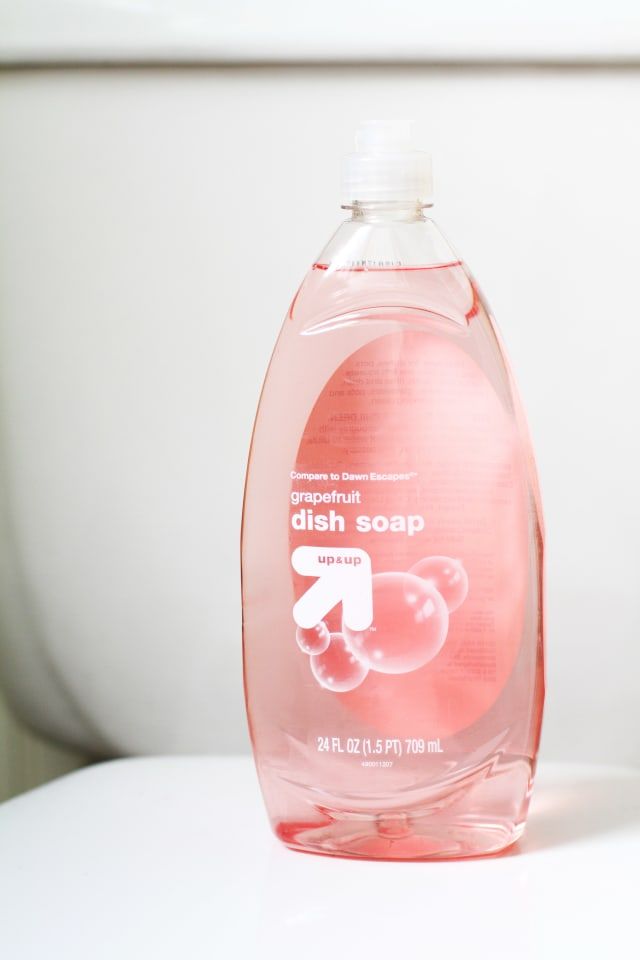
Do you have a clogged toilet which is stressing you? You may be surprised to know that your weapon may be a mere bottle of dish soap.
This simple trick may save you some money and time in case you are sick of using harsh chemicals, or spending some money on visiting a plumber. Read on and find out how dish soap can be used to clear a clogged toilet within a few minutes and safely, allowing you to resume your day having no concerns.
Causes Of Toilet Clogs
At home toilet clogs are a big problem. By knowing the cause of their occurrences, they are afterwards rectified in a short time. There are numerous causes of a toilet clogging. Some are easy to spot. Others need a closer look. Grease and soap are very important in clogs. Information about the causes is time and effort saving.
Common Blockage Sources
Toilets are blocked by numerous things. Toilet paper is the top cause. Pipes are blocked too easily by too much paper. Wipes even with the label of being flushable tend to create clogs. Drains are also blocked by other products such as hair, cotton balls and sanitary products. The problem is aggravated by objects found in toilets. There is the accumulation of food waste and dirt in-pipes. Both sources develop their types of obstruction.
Role Of Soap And Grease
Grease and dish soap usually lead to cloggy drainage. Soap is dissolved in water but may remain adherent on the walls of the pipes. Grease solidifies and entraps other rubbish. These layers decrease pipes with time. Bends and joints get accumulated with soap scum. This accumulation slows down the flow of water and results in clogs. Grease poured down toilets causes greasy clogs. Dish soap or grease should not be disposed of to ensure pipes are clear.

Credit: www.youtube.com
Why Dish Soap Helps
Dish soap is an ordinary domestic product that can be used to clean a clogged toilet. The fact that it addresses the primary cause of most clogs, the grease and sticky residue, makes it work well. Taking dish soap assists in breaking these blockages hence becoming easier to flush them away.
Grease-breaking Properties of Soap.
Dish soap is a product that has ingredients that dissolve grease and fat. Such substances coating the pipes lead to clogs. The grease is encircled by the soap molecules which break it into smaller pieces. The process causes grease to be less sticky and easy to clean. Dish soap dilutes the grease accumulating in the inside of the drainage of the toilet.
How Soap Softens Blockages
The soap acts as a lubricant within the pipes. It covers hard waste and adhesive substances. This layer renders the blockage to be slippery and less solid. Remodelled blockages travel more readily on the pipes. This works to clear the clog without the need of smacking the tools and harsh chemicals.
Quick Soap Fix Methods
Toilet congestion spoils your day. Fast ways of clearing blockages Quick soap fix procedures provide easy approaches to clear blockages quickly. These simple methods apply household materials in order to get the water flowing once again. There is no necessity of harsh chemicals or costly tools. These are some of the ways to remove toilet clogs using dish soap.
Basic Dish Soap And Hot Water
Add approximately half a cup of dish soap into the bowl of the toilet. Allow the soap to rest between 10-15 minutes. The soap assists in the disintegration of grease and smears leading to the blockage. 1. Next put a gallon of water on and bring it to a point of hotness but not boiling. Pour the hot water in the toilet bowl carefully. The heat and soap combined in order to loosen the blockage. Wait some few minutes and attempt flushing. Repeat if needed.
Using A Plunger With Soap
Put in a lot of dish soap in the toilet bowl. The soap causes smooth surfaces which enable the plunger to be used effectively. A flange plunger gives the most effective results. Put the plunger on the drain and press at the beginning softly. Pump the plunger up and down then. The soap greases the clog and it becomes more easy to clear. Flush the toilet after a few pumps to determine whether the clog has disappeared.
Adding Soap Baking Soda and Vinegar.
Add half a cup of dish soap into the bowl of the toilet. Next add one cup of baking soda. Then add gradually one cup of vinegar to the bowl. The solution will be bubbles and bubbles. This response can be used to loosen up the clog. Let it sit for 20 to 30 minutes. Then take a gallon of hot water and pour into the toilet after resting. Pass urine to determine whether the obstruction is cleared. Repeat in the case of hard clogs.
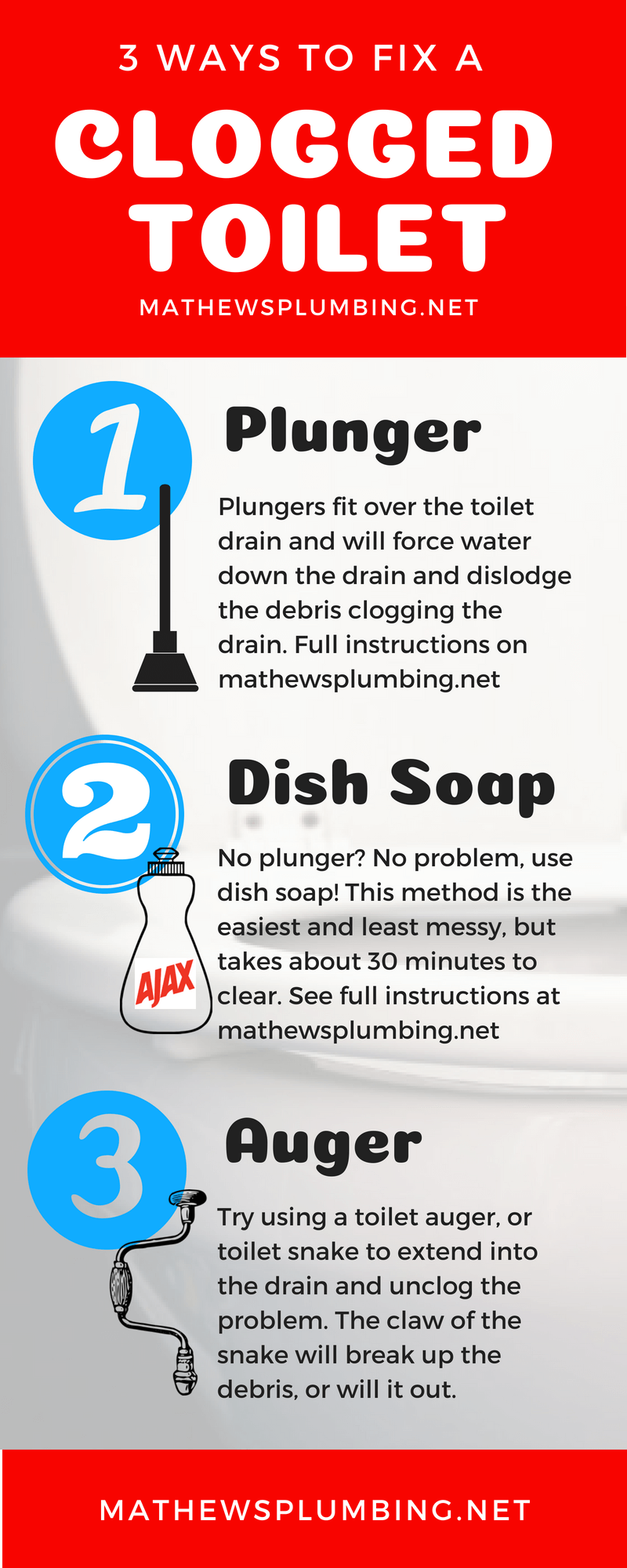
Credit: mathewsplumbing.net
In Which Case to Use Alternative Solutions.
Dish soap can be used to clear a clogged toilet that is small. In some cases, the soaps and water are not strong enough to remove the clog. Other approaches are needed in such situations. The ability to know when to attempt other solutions is useful to prevent damage and time-saving.
The chronic obstructions might require more aggressive or forceful intervention. In this section, the explanation is given why chemical drain cleaners or mechanical tools are to be used. Every option is applicable to various blockages and scenarios.
Chemical Drain Cleaners
Chemical drain cleaners can dissolve tough clogs caused by chemicals. They work effectively on clogs caused by organic substances such as hair or grease. Wear these products and take directions. Do not mix different chemicals. Frequent or improper use of these cleaners harms pipes. These cleaners become useful when dish soap and hot water cannot clear the toilet.
Tough Clogs: Mechanical Tools.
Mechanical tools remove or break down blockages physically. The simplest and the most widespread tool is a plunger. To remove more stubborn or harder clogs a toilet auger or snake may go further past the trap. These instruments either push or drag the clog out. They are non-harming to pipes and useful in case of solid objects or massive blockages. Mechanical processes are applicable in cases where chemicals are inappropriate or unsuccessful.
Preventing Future Clogs
Avoid wasting time and stressing yourself by cleaning your toilet regularly. Minor habits may result in major changes. Maintain your pipes they are running well. It is possible to prevent the accumulation of soap and debris by avoiding typical errors. Do not overdo it, use these few steps to maintain your toilet.
Proper Toilet Use
Nothing but human excreta and flush toiler paper. Do not flush dish soap or any other liquid. They may lead to obstruction of the pipes. Do not flush wipes, paper towels, or sanitary products. They do not disintegrate and result in blockages. Educate all the members of your household. Appropriate use minimizes the chances of clogging.
Routine Cleaning Tips
Clean toilets regularly to avoid buildup. Use light wash detergent that will not harm your plumbing system. Do not use strong chemicals which may ruin pipes. Splendid with water after washing. This assists in getting rid of the remaining soap or debris. Test the existence of slow drains and repair them quickly. Regular maintenance has your toilet clean and unclogged.
Safety Tips And Precautions
Dish soap may help in clearing a clogged toilet. But safety is very important. Cleaners have chemicals which are dangerous when not handled properly. Clogs or harsh chemicals can damage pipes. Follow these safety measures to protect yourself and your plumbing.
Handling Chemicals Safely
Use gloves as an protection to your skin against chemicals. Do not confuse various cleaning products. There are some mixtures that form poisonous gases. Keep the workplace well ventilated to prevent inhaling harmful fumes. Do not allow children and pets in cleaning areas. Keep the chemicals in the stores off reach.
Avoiding Damage To Pipes
Apply a small amount of dish detergent to prevent buildup in the pipes. Do not use harsh chemicals that will literally burn holes in pipes. Hot water is useful in the movement of soap but excess heat may destroy pipes. Slowly pour water so as to prevent pressure damage. Always inspect the pipes after cleaning them, to check whether they are leaking or not.

Credit: www.familyhandyman.com
Frequently Asked Questions
Can Dish Soap Clear A Clogged Toilet Effectively?
Dish soap may, indeed, be useful when it comes to dissolving grease and debris that leads to clogs. Put a lot of it into the toilet bowl and allow it to stand 15-20 minutes then flush with hot water. You can regularly use this technique to clear small obstructions safely.
What Is the Recommendation on the amount of Dish Soap to use when removing clogs?
A clogged toilet should use approximately half a cup of dish soap. This quantity assists in lubrication of pipes as well as the dissolving of obstructions without excess suds. Depending on the level of the clog change the amount of soap used but do not over do it.
Does Dish Soap Work on Toileting of all types?
Most toilets are safe to use with dish soap (porcelain, plastic parts, etc.). It is an ecological alternative as it is biodegradable and non-corrosive. Nevertheless, avoid using harsh chemicals together with dish soap to prevent damage.
Will Dish Soap substitute toilet pluggers?
You can use dish soap as a substitute for a plunger when small clogs occur because the soap lubricates and softens the debris. Hard or extreme obstructions may require a plunger or an auger. Use dish soap as the initial step before using other tools.
Conclusion
Blocked toilets are stressful and do not allow one to run his or her daily life. Dish soap can loosen tough clogs. Warm water with soap may produce better results. Do not use rough chemicals which might spoil the pipes. Routine cleaning can prevent future blockages and keep toilets clean.
These small steps are time and cost saving measures. You can try these simple methods before calling a plumber. Healthier home and less worry are due to clean pipes. Keep in mind that gentle tools and patience are effective with clogs. Maintain your bathroom without hard work.