How to Refurbus Cast Iron Tea Kettle
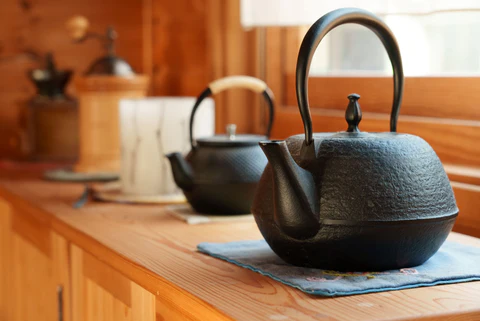
Have you an old cast iron tea kettle that is no more? Perhaps it is rusty, or tarnished, or not functioning at all.
The good news is that you do not need to discard it and purchase another one. You can revive your cast iron tea kettle in just a matter of several steps. You can assume you would be having your favorite tea in a kettle that is well-maintained and appears almost new.
Here in this guide, you are going to learn how to clean, remove rust, as well as how to season your kettle to ensure that it remains in excellent condition many years into the future. Willing to make your cast iron tea kettle new? It is time to jump in and bring it on!

Credit: www.ebay.com
The evaluation of The Kettle and its Condition.
It is necessary to examine the condition of a cast iron tea kettle before beginning the process of its refurbishment. Careful inspection helps determine the problems that need correction and ensures safe usage. By inspecting thoroughly, you save time and improve the final outcome. Check on rust and damage and general strength of the kettle.
Checking For Rust And Damage
Old cast iron kettles are usually covered with rust. Take a closer look at the surface, both internal and external. A soft brush or cloth should be used to scrap off the loose rust flakes. Little rusts are not very difficult to clean. Dark rust or pitting should be paid more attention. Check for any cracks or holes. These may lead to leakages or unsafe usage of the kettle.
Measurement of Structural Integrity.
Check the body of the kettle and put a hold on it. Ensure that there are no bends and breaks. The handle must be strongly secured and not loose. Check the lid for a proper fit. Loose or broken lid may lead to the steam escaping. Tap the kettle; when it sounds solid it is well constructed. Weaknesses can be either hollow or weak. Well built structure implies that the kettle can be refurbished.

Credit: www.fire.tas.gov.au
Removing Rust Safely
Refurbishing a cast iron tea kettle has the first step, which is removing rust safely. The rust may spoil the surface and compromise the usage of the kettle. They should employ soft processes that will not harm the cast iron and yet eliminate rust. Cruel chemicals or coarse instruments may be more fatal. The following are easy and safe methods of removing rust and preparing the kettle ready to be seasoned and used.
Using Vinegar Soaks
Vinegar is an effective rust remover that is natural. Add an equal portion of white vinegar and water in a container. Wet the rusty places of the kettle in this. Allow it to marinate between one or two hours. Always check so as not to over-soak the metal thus destroying it. Once it is soaked rinse the kettle with plenty of water. Wipe it dry so that it will not rust further.
Scrubbing With Salt And Oil
Rust is cleaned by a gentle abrasive scrub made by salt and oil. Season with coarse salt sprinkling over the rusted parts. Add some cooking oil such as vegetable or olive oil. Clean the surface using the circular movements of a soft cloth or a sponge. This is a process that does not scratch the cast iron but removes rust. After cleaning it wipe it with a paper towel by removing the salt and oil. Rinse and dry the kettle well.
The use of Soft Brushes And Steel Wool.
They use fine steel wool and soft brushes to get the remaining rust spots out.You should use a nylon brush or a soft-bristled toothbrush for light rust.For harder rust, you will use fine steel wool (grade 0000). Wipe the rusty parts in a gentle manner but not too hard. Carse steel wool or wire brushes are also to be avoided because they can scratch the cast iron. Wash the kettle using warm water after scrubbing and dry thoroughly.
Cleaning The Interior
Washing the inside of the tea kettle made of cast iron is also one of the steps in its renovation. There is also the risk that dirt, rust and old residue can accumulate internally which will have an impact on taste and safety. Cleaning will reduce the effects of the kettle and preserve your tea. This is done with a soft touch in order to keep the cast iron surface safe.
Boiling With Tea Leaves
Begin by putting water in the kettle and tea leaves that have been used. Bake the dough at approximately 15 to 20 minutes. The tea leaves are used to loosen the rust and deposits within the kettle. This is a natural process that does not make use of harsh chemicals and also does not damage the seasoning of the iron. Once the water has boiled, allow the water to cool then pour it out.
Rinsing And Drying Techniques
Rinse the kettle with a lot of warm water so that nothing is left behind in the form of tea. Do not use soap because it will ruin the seasoning. Clean a soft brush or cloth should be used to clean the interior. Use clean towel to dry the kettle. In order to dry all the moisture, put the kettle on low heat in several minutes. This measure helps to avoid rust in the inside.
The Exterior Finish Restoration.
Painting the outside of a cast iron tea kettle will cover it with rust in other words, it will protect the kettle and give it its vintage look. Clean surface is also a smooth surface that contributes to the longer life of the kettle. This stage of the renovation is aimed at the elimination of the old layers and the establishment of a new and polished appearance.
To eliminate old Seasoning Layers.
Old experience may accumulate and be grotesque or grey. Begin by washing the kettle by using steel wool or a hard brush. Wash with hot water and mild soap to aid in loosening body and grease. To make it not too hard, vinegar bath can make the old stuff soft. Wet the kettle in 30 minutes, and general scrubbing. Well rinsed and dry thoroughly to prevent rusting.
Sand Blasting and Polishing the Surface.
Sanding removes the seasoning from the kettle’s surface after you take it off. Use fine‑grit sandpaper to rub away rough spots and rust. This action exposes the naked cast iron. Wipe the kettle after it is smooth with a clean cloth to get dust off. A soft cloth creates a slight shine, giving the kettle a refreshed look and preparing it for new seasoning.
Seasoning The Kettle
The coating of a cast iron tea kettle is that it should be seasoned to prevent rust and enhance the functionality of the appliance. The coating formed in this process is non-sticky and natural thus increasing the life of the kettle. The kettle should be given a beautiful dark finish through proper seasoning which only improves with use.
Choosing The Right Oil
The oil with high smoke point works the best. Flax seed oil, grapeseed oil or vegetable oil will do. Avoid other oils that may have sticky residue or those that rancid easily.The right oil combines with the iron and creates a hard, protective coating.
Applying Heat For Seasoning
Preheat your oven to about 350°F (175°C). Lube the inside and the outside of the kettle with oil. Put the kettle on its head on the oven rack to prevent the pooling oil. During heat it takes 1 hour to make the oil hard creating a coating.
Re-application of For Durable Coating.
Oil and heat the ingredients again at least twice or thrice. One layer after another adds to the seasoning and reinforcement. This procedure will make sure that your cast iron kettle is resistant to rust and can be smooth in years.

Credit: www.jlhufford.com
How to Clean Your Reused Kettle.
It is important to take care of your renewed cast iron tea kettle in order to preserve it. Care will ensure your kettle serves longer and it will not rust. Basic routines enhance the preserve of the metal and keep it shiny. Enjoy your kettle every day and have no worries about it.
Proper Storage Tips
Keep your kettle in a dry cool place. Exclusively dry places such as under the sink. Do not close the lid completely but leave it open partially to allow air to pass. This prevents the accumulation of moisture in the kettle. Cover it with a soft cloth in case dust is an issue. Rust and wear and tear are avoided by proper storage.
Routine Cleaning Practices
Wash your kettle on a case-by-case basis. Warm water and soft sponge, no hard detergents. Do not leave the kettle down long. Wipe it dry using a clean towel. In case of difficult stains, baking soda and water paste should be used. Frequent cleaning ensures that the kettle is clean and in good condition.
Avoiding Moisture And Rust
Cast iron kettles are rusted on by moisture. Always make sure that you dry your kettle completely. Heat it in a stove or oven a few minutes to dry up concealed water. Rub the inside and outside of the kettle with cooking oil. Such an oil coating serves as a rust inhibitor. So keep your kettle out of the damp places.
troubleshooting of Common Problems.
The most important thing in restoring your cast iron tea kettle is troubleshooting the common problems that might be causing the problem. The refurbishing process can be halted because of petty problems. Being aware of how to correct such issues will make it easy to save time and labor. This instruction includes rust spots, cracks and replacing your kettle.
Removing Hard-to-Get Stains of Rust.
Old cast iron kettles frequently have rust spots on them. Apply the soft brush to brush off the loose rust. In hard rust, place the kettle in a mixture of 1 hour vinegar and water. Wash thoroughly then dry off. Clean then apply a thin coat of oil to coat surface. Continue doing the same until there is no rust.
Handling Cracks And Pitting
Cracks in cast iron may be harmful. You can cover minor cracks on the surface with food-safe epoxy.Deep cracks or big pits weaken the kettle.You can smooth the pitted areas with fine sandpaper. Do not use a kettle, which has serious cracks, to boil water. The first thing you should have is safety.
When To Consider Replacement
Change your kettle in case cracks are too big or too deep. Another sign is heavy rust which is not removable. In case of leaking of the kettle or unsafe handle, purchase a new one. In other cases, replacement is less risky and cost effective. Always remember you are dealing with your safety and health during refurbishing.
Preserving Vintage Charm
The cast iron tea kettle still has a history by keeping its old time appeal alive. It brings in personality and coziness to any area. It is important not to lose its original beauty. This section discusses how to retain that classic appeal during the process of renovating.
Maintaining Originality of the Features.
Do not change the shape and design of the kettle. Do not rub off distinctive marks and designs. Wipe with soft brush in order to save the finer details. Keep the handle and the spout in their natural condition. These attributes narrate about the history of the kettle.
Using Natural Patina
Nature adds a rich patina to cast iron.You should avoid any severe chemicals that remove this layer.I recommend slight cleaning and light oiling of the patina.This finish is age graceful and makes the kettle appearance more vintage.
Exhibiting As Decorative Piece.
The old tea kettle can be transformed into an attractive ornament. Put it on an open shelf or a window sill of the kitchen. Combine with rustic or antique objects in order to have coherent style. Let the old fashioned flair of the kettle beautify your home without necessarily undergoing complete refurbishment to use it.
Frequently Asked Questions
How to remove rust on a Cast Iron tea kettle?
Wipe-down with soft brush or steel wool. Bring water and tea leaves that have been used to a boil. Wash, dry completely and then season the kettle surface to bring back its surface.
How To Revive my Cast Iron.
Wipe scrub with brush and salt/ vinegar dry. Wipe, rinse, dry completely and add oil. Repeat heat until non- sticky and smooth.
Should Rusty Cast Iron be restored?
Restoring rusty cast iron is worth it as long as someone does not crack or highly warp the object.Light rust cleans easily. The appropriate seasoning is a restoration of non-stick and durable cookware. Soak heavy rusts in vinegar, and yet they are very valuable. In case of deep pitting or cracks,do not apply any restoration.
Can Wd-40 Remove Rust From Cast Iron?
WD-40 is also able to loosen the rust on cast iron but does not entirely remove it. You can remove all rust using either steel wool or vinegar.
Conclusion
Restoration of a cast iron tea kettle is time consuming. Wipe rust away using a soft brush or salt scrub. Wipe-off all moisture in the kettle to prevent additional rust. You should well season it with oil to cover the surface. Seasoning to create a good, non-stick layer 2.
It is a simple process which will revive your kettle. Use your refurbished kettle and have several years of joy. Saving money is easy, and preserving a beloved object is inexpensive. Attend to your cast iron tea kettle.